
"South American agriculture"
500 article(s) found
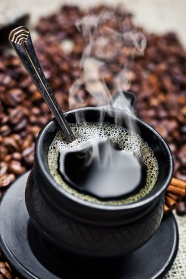
Boutique coffee Salvadoran coffee flavor coffee plum, brown sugar, red wine sour
In the early 1900s, guerrilla warfare greatly damaged the country's national economy, reducing coffee production from 3.5 million bags in the early 1970s to 2.5 million bags in 1990-1991. The eastern part of the country was most affected by guerrilla warfare, and many farmers and workers were forced to leave the manor. The shortage of funds has led to a sharp drop in coffee production, from 1200 kg per hectare in the past to no yield per hectare today.

Description of Coffee Flavor in Chateau Saint-Roman, Costa Rica
Tarrazu in Costa Rican coffee is one of the major coffee producing areas in the world. The coffee produced has a light and pure flavor and pleasant aroma. Located in the south of the country's capital, San Jos, Tarasu is one of the most valued coffee growers in the country. La Minita Tarrazu coffee is a famous local product, but the production is limited, about

Coffee in South Asia Coffee in Oceania
More than 80% of India's coffee is grown in the southern province of Karnataka, often marketed under the province's old name Mysore. The best meso beans are considered Sumatra for the poor, taste as rich and mellow as the inferior Sumatra, but are cheaper. Another is the Monsooned Mala.

Salvadoran coffee features Salvadoran coffee flavor
Salvadoran coffee refers to the coffee produced in the small South American country of El Salvador, where the coffee body is light, aromatic, pure, slightly sour, the flavor is extremely balanced, is a specialty of Central America. With sour, bitter, sweet and other taste characteristics, the best baking degree is moderate, deep. In the early 1990s, guerrilla warfare greatly damaged the country's national economy, increasing coffee production from the early 1970s.

Chinese Coffee Development Agricultural Research Institutes promote Chinese Coffee
At this point, the author's mood is agitated and dignified. Today, when Chinese coffee, especially Yunnan small-grain coffee, has developed to large-scale industrialization through the persistent cultivation of several generations of Chinese mainland and after several ups and downs, it is not easy to be rated as a first-class product by the International Coffee Organization (ICO). The author believes that Yunnan small-grain coffee can quickly rise in Chinese mainland and China's agricultural scientific research.

An introduction to the flavor and taste of coffee from Manor Santa Barara, Honduras with a light fruity flavor.
Honduras is one of the least developed countries in Latin America. Agriculture is the leading industry of the national economy, and its industrial foundation is relatively weak. The economy grew by 3.5% in 2012. Rich in bananas, coffee, cotton, coconut, tobacco, sugar cane and so on. Economic activity and population are mainly concentrated in the capital and the central and western parts of San Pedro Sula, while the east is sparsely populated. There are many small enterprises in industry and mining, including textiles,
Cameroon coffee
Cameroon has the characteristics of soil quality, climate and topography, which is suitable for the growth of many kinds of crops. The main crops are coffee, cocoa, cotton and other cash crops and millet, sorghum, corn and other food crops. Cameroon is rich in Rob Coffee Raw beans. Rich volcanic soil, high altitude, moderate rainfall-all of which make Cameroon an ideal place to grow good coffee

History of introduction and expansion of Coffee in China in the early stage of Coffee Development (5)
1. From the first peak period of the development of China's coffee industry (1952-1961) to the late 1940s, according to recorded figures, there are 2173.33 hectares of rubber plantations in Hainan Island, with a total of 867600 rubber trees, with an annual output of 199,000 tons of dry rubber, and more than 300,000 coffee plants. the annual output of coffee beans is 1 ton. According to a survey in the early 1950s, there was a large amount of coffee left in Fushan area of Chengmai County, with a total of 70,000.

Introduction to Hasunda Coffee Garden in Ecuador Coffee Manor
Ecuadorian coffee has distinctive South American coffee characteristics. The fragrance is soft, as if you can go back to the ancient and mysterious Inca empire. Coffee is a good history, you need to savor it carefully in order to understand the vicissitudes of life. Balanced with low acidity and rich aroma. The bitter taste is not obvious, the taste is clear, but there is a lingering aftertaste for a long time. Excellent

American producing area Costa Rica national Tarasu coffee beans-acidity ideal fragrance unique strong
Tarrazu in Costa Rica is one of the major coffee producing areas in the world. The coffee produced is light and pure in flavor and pleasant in aroma. Costa Rica, with its fertile volcanic soil and good drainage, is the first country in Central America to grow coffee and bananas for commercial value. Coffee and bananas are the country's main exports. In 1729, coffee was introduced from Cuba to Costa.

Peruvian Coffee Development introduction of Peruvian Coffee Origin
Professional coffee knowledge exchange more coffee bean information please follow the coffee workshop (Wechat official account cafe_style) Secret Coffee Coffee has always been used as one of the mellow mixed beans, which is lower than "low" in the coffee industry. However, as more and more people like the mellow taste of secret coffee, secret coffee has sprung up rapidly in the domestic market in recent years.

A brief introduction to the description of the flavor and aroma characteristics of Costa Rican Saint Roman Coffee
The research center, located about 30 kilometers northeast of the Costa Rican capital San Jose, belongs to the Costa Rican Coffee Association and is a research institution for villa sarchi planting, breeding and quality inspection newly developed by Costa Rica's national coffee breeds. in addition, it also has 10 hectares of experimental plots, planting a number of excellent varieties. Coffee is the main agricultural product in Costa Rica, with an annual output of more than 2 million bags

Costa Rica of 53 Coffee Origin in the World
Costa Rica, with its fertile volcanic soil and good drainage, is the first country in Central America to grow coffee and bananas for commercial value. Coffee and bananas are the country's main exports. Coffee was introduced into Costa Rica from Cuba in 1729 and today its coffee industry is one of the most well-organized industries in the world with a yield of 1700 kg per hectare. Goss.

How to evaluate the taste of Laos coffee? What is the unique flavor of Laos coffee? Whether it is good or not
Professional coffee knowledge exchange more coffee bean information please follow the coffee workshop (Wechat official account cafe_style) how to evaluate the quality of coffee in Laos? What is the unique flavor of Laos coffee? Is it good coffee? Coffee is Laos's fifth largest export. The Boloven Plateau (Bolaven Plateau), located in the south, is the largest coffee growing area in the country.

What is the difference between coffee regional flavors?| What factors change coffee flavor?
Professional coffee knowledge exchange More coffee bean information Please pay attention to coffee workshop (Weixin Official Accounts cafe_style) Coffee production places are mostly distributed between the tropic of tropics north and south of the equator, i.e. 25 degrees north of the tropical or subtropical equator and 30 degrees south of the equator. Areas with an annual average temperature of 16-25 degrees Celsius, frost-free and rainfall of 1600-2000 mm. The main production of coffee today

History and Culture of Tarasu Coffee Origin in Costa Rica
Tarasu is located south of the country's capital, San Jos, and is one of the country's most prized coffee plantations. La Minita Tarrazu coffee is locally famous, but the production is limited, about 72600 kg per year, it is grown on a piece of land called La Minita, the land of the McAlpine family in Britain.

According to the Paradise Bird of Papua New Guinea, what are the characteristics of Papua New Guinea coffee?
Professional coffee knowledge exchange more coffee bean information Please follow Coffee Workshop (Wechat official account cafe_style) Papua New Guinea is one of the least urbanized countries in the world, with only 18% of the urban population and 85% of the national economy coming from agricultural exports. But Papua New Guinea produces one of the best coffee in the world, a local coffee variety.

A brief introduction to the treatment method of Grinding degree and Baking degree of Galapagos Fine Coffee beans
Minita), which is owned by the last three generations of the McAlpine family in England. In fact, this land can produce more than 450 tons of coffee a year. But Tarasu Latin American coffee is grown without artificial fertilizers or insecticides, and its harvesting and selection are done by hand, in order to avoid air spray selection in a certain process.
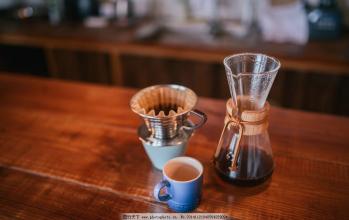
The world's most expensive coffee can be sold for $60 a cup.
Peruvian coffee is very popular in the international market in recent years, frequently won the international coffee gold awards, Peruvian coffee mellow taste and soft sour taste is very popular. Now Peru has become the world's third largest exporter of coffee, especially a kind of coffee derived from raccoon droppings, tens of dollars a small cup, one of the most expensive coffee in the world. Raccoon poop coffee is expensive, journalist.

A brief introduction to the flavor, taste and aroma characteristics of South American Ecuadorian coffee Galapagos coffee beans
Coffee in the Galapagos Islands has its own uniqueness. It was brought to the island around 1870. 150 years later, coffee varieties are still the original species of coffee grown at that time-the ancient bourbon species. It has never been bred by any artificial cross. And the coffee on the island is basically grown in the mountains about 500 meters above sea level. I have seen our coffee bean series.